
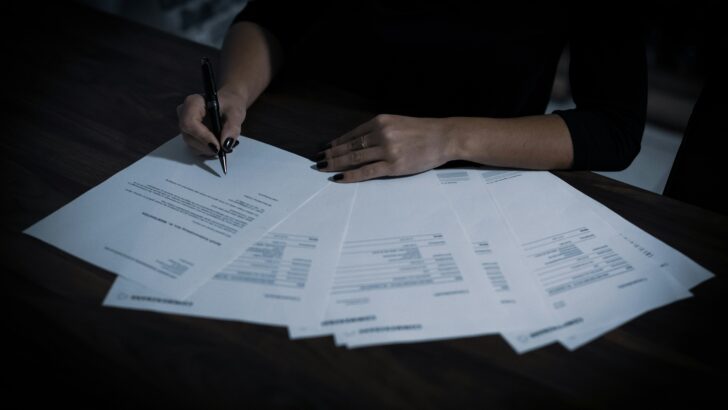
According to CDC data, 672,502 divorces and annulments were reported in 2023. This figure includes data from only 45 states, not representing every divorce that occurred nationwide that year.
There is a myth surrounding divorce that asserts the partners must be in agreement about dissolving the marriage. This belief is not true since a situation wherein one partner refuses to sign or cooperate with divorce paperwork is possible. The other partner still has the freedom to divorce, but the process can take a long time and may require a different approach.
A Refusal to Sign Doesn’t Stop the Divorce
Once served, the responding spouse has a set window to file an answer. For anyone learning how to file for divorce in Georgia or other states, it helps to know that if the respondent doesn’t answer, the divorce may proceed by default. Receiving no response from the other spouse does not mean that the marriage cannot be dissolved.
What Changes When a Spouse Won’t Cooperate
An unresponsive spouse cannot stop the proceedings. The case can move forward without them. It becomes contested when a spouse actively disputes terms, and then the court steps in to resolve the matter.
How a Contested Case Actually Unfolds
Typically, when one or more terms are not agreed to for various reasons, a contested case logically progresses in a certain way.
The process starts when the client meets with a divorce attorney. In North Carolina, a Statesville divorce lawyer can prepare the complaint and summons that open the case. The spouse is then served, usually by the sheriff or by certified mail. Discovery is the next step. Here, the parties exchange information. Respondents are expected to answer questions. Evidence is then collected, and relevant documents are reviewed.
Next, the lawyers try to negotiate a settlement. As negotiation happens, either side can ask the court for temporary custody or support at a hearing. Anything still unresolved goes to trial, where a judge decides.
Proper Service Still Has to Happen First
Before any of the above can happen, there first needs to be proper delivery of the legal documents pertaining to the divorce proceeding to the responding party. Depending on the state, this can be done by a sheriff’s deputy, certified mail, a private process server, or the spouse accepting service.
Courts need proof that the spouse was properly served. A spouse who avoids service can delay the process, but other methods, including publication, are available.
Some Issues Still Need to Be Resolved, Even by Default
Even when a case moves forward without the other spouse, property, custody, and support still need to be addressed. In some states, including North Carolina, claims for property division and spousal support must be filed before the divorce is final or they can be lost. That’s why the filing spouse should raise these issues early rather than assume the court will handle them.
Why This Situation Still Benefits From Legal Guidance
Filing for default or for a contested divorce without legal representation does pose some risks. Inadequate documentation or failure to observe proper procedures could further delay a divorce case or even lead to an invalid decision.
A lawyer can assist and check if proper documentation has been done and that one’s case for default divorce is sound. The lawyer will also assess if the final order is reflective of a just decision.
A Refusal to Cooperate Delays the Process but Doesn’t Prevent It
Refusing to sign is a form of passive resistance and not a legal barrier. The marriage can still end, just with extra steps.
Courts have set procedures for spouses who ignore divorce papers or avoid service so the filing spouse is not left stuck. Those steps take extra time, but they keep the case moving. People who know the process ahead of time can set their expectations and make the process of working with an attorney much easier.

Yasmin is a writer and mother of two young children. She is also the woman behind Two Mama Bears, a blog for parents with babies and toddlers.